
AESKUSLIDES

The power of Immunofluorescence assay
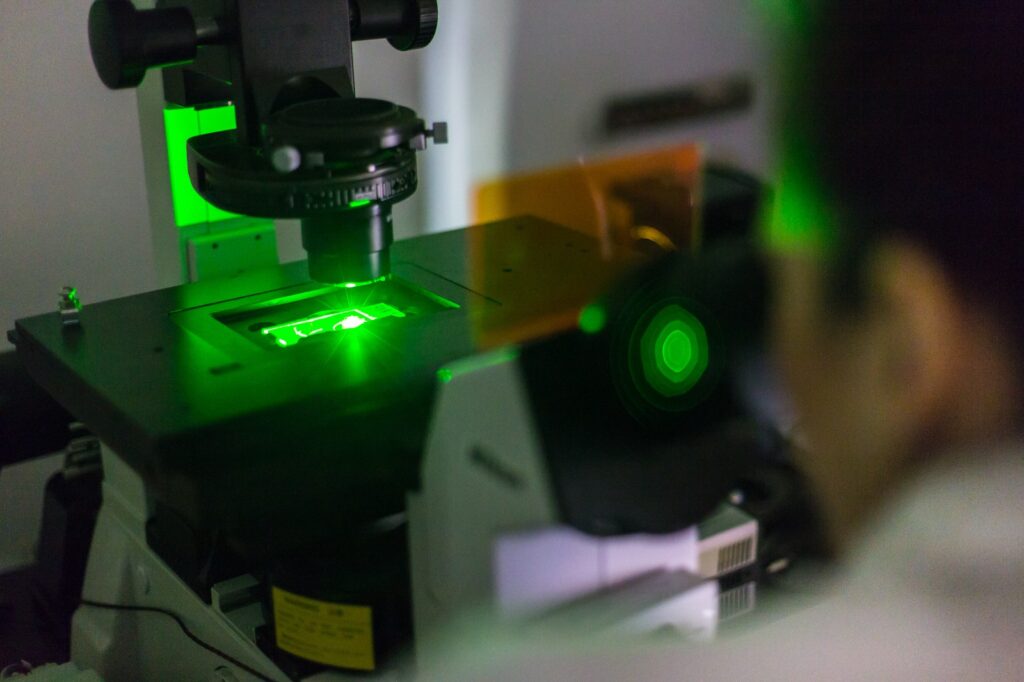
Importance of IFA Test
The assay is a tool in the differential diagnosis of systemic rheumatic diseases like systemic lupus erythematosus (SLE), mixed connective tissue diseases (MCTD), scleroderma, Sjögren`s syndrome, polymyositis and dermatomyositis.
AESKUSLIDES is an indirect immunofluorescence assay to detect nuclear and or cytoplasmic autoantibodies in human serum.
Product line includes a wide range of tissue and cell based slides for detection of major autoantibodies, supporting the fields of rheumatology (ANA HEp-2 and nDNA), angiology (ANCA), hepatology and gastroenterology (LKS triple tissue and EMA).
In Indirect Immunofluorescence Assay (IFA), tissue or cells are fixed on slides to present the antigen in an in-vitro like environment. Fluorescence assays are well suited for screening.
All parameters from this product line are pre-programmed and validated for use in HELMED and HELIOS IFA processors.
Types of IFA Tests
- AESKUSLIDES ANA-HEp-2: The assay is a tool in the differential diagnosis of systemic rheumatic diseases like systemic lupus erythematosus (SLE), mixed connective tissue diseases (MCTD), scleroderma, Sjögren`s syndrome, polymyositis and dermatomyositis.
- AESKUSLIDES ANCA: The assay is a tool for the differential diagnosis of ANCA-associated vasculitis (AAV) such as granulomatosis with polyangiitis, microscopic polyangiitis and Churg-Strauss syndrome.
- AESKUSLIDES nDNA (Crithidia Luciliae): is an indirect immunofluorescence assay to detect IgG antibodies to native double helix DNA in human serum.
- AESKUSLIDES LKS (Rat/Mouse): to detect autoantibodies against for example mitochondrial (AMA), smooth muscle (ASMA), liver kidney microsomal (LKM) or circulating parietal cells (APCA) in human serum.
- AESKUSLIDES EMA: are indirect immunofluorescence assays to detect autoantibodies against tissue transglutaminase (tTg) in human serum.
By combining IFA tests with reflex testing, doctors gain valuable insights into the type of autoimmunity a patient might be facing, leading to a more accurate diagnosis and appropriate treatment plan.
AESKUSLIDES
The power of Immunofluorescence assay
Importance of IFA Test
The assay is a tool in the differential diagnosis of systemic rheumatic diseases like systemic lupus erythematosus (SLE), mixed connective tissue diseases (MCTD), scleroderma, Sjögren`s syndrome, polymyositis and dermatomyositis.
AESKUSLIDES is an indirect immunofluorescence assay to detect nuclear and or cytoplasmic autoantibodies in human serum.
Product line includes a wide range of tissue and cell based slides for detection of major autoantibodies, supporting the fields of rheumatology (ANA HEp-2 and nDNA), angiology (ANCA), hepatology and gastroenterology (LKS triple tissue and EMA).
In Indirect Immunofluorescence Assay (IFA), tissue or cells are fixed on slides to present the antigen in an in-vitro like environment. Fluorescence assays are well suited for screening.
All parameters from this product line are pre-programmed and validated for use in HELMED and HELIOS IFA processors.
Types of IFA Tests
- AESKUSLIDES ANA-HEp-2: The assay is a tool in the differential diagnosis of systemic rheumatic diseases like systemic lupus erythematosus (SLE), mixed connective tissue diseases (MCTD), scleroderma, Sjögren`s syndrome, polymyositis and dermatomyositis.
- AESKUSLIDES ANCA: The assay is a tool for the differential diagnosis of ANCA-associated vasculitis (AAV) such as granulomatosis with polyangiitis, microscopic polyangiitis and Churg-Strauss syndrome.
- AESKUSLIDES nDNA (Crithidia Luciliae): is an indirect immunofluorescence assay to detect IgG antibodies to native double helix DNA in human serum.
- AESKUSLIDES LKS (Rat/Mouse): to detect autoantibodies against for example mitochondrial (AMA), smooth muscle (ASMA), liver kidney microsomal (LKM) or circulating parietal cells (APCA) in human serum.
- AESKUSLIDES EMA: are indirect immunofluorescence assays to detect autoantibodies against tissue transglutaminase (tTg) in human serum.
By combining IFA tests with reflex testing, doctors gain valuable insights into the type of autoimmunity a patient might be facing, leading to a more accurate diagnosis and appropriate treatment plan.